
Are Granite Countertops Heat Resistant? What Homeowners Should Know
When updating a kitchen or bathroom, choosing the right material for your surfaces can feel overwhelming. Many homeowners find themselves drawn to natural stone because of its timeless beauty, unmatched character, and long-lasting strength. Among all the options available today, granite remains a top contender for busy households. Beyond its striking visual appeal, a major selling point is its reputation for handling warmth and thermal changes without wearing down easily. Understanding how natural stone interacts with hot cookware, high temperatures, and daily kitchen use helps you protect your investment for years to come.
Understanding Natural Stone Formation and Temperature Endurance
To appreciate how well a granite countertop manages elevated temperatures, it helps to understand where the stone comes from. Granite is an igneous rock formed deep beneath the Earth's surface under extreme pressure and intense heat over millions of years. Because it is created through molten magma cooling slowly, the stone naturally possesses a high resistance to thermal energy. Molten rock far exceeds any temperature your kitchen appliances, pots, or pans could ever reach during everyday cooking. This natural birth process gives every granite countertop a fundamental structural toughness that synthetic or engineered materials simply cannot replicate on their own.
Learning How Everyday Hot Cookware Interacts with Stone Surfaces
In a fast-paced cooking environment, you often need a safe place to rest hot pans, baking sheets, or boiling pots directly off the stove. Placing a warm dish onto a granite countertop generally will not melt, scorch, or burn the stone itself. Unlike laminates or solid surface materials made with synthetic resins, natural stone will not leave charred ring marks or discolored patches under normal culinary conditions. This impressive thermal stability makes daily meal preparation far less stressful for homeowners who love to cook and entertain. Knowing your stone can handle an accidental touch of warmth provides great peace of mind during holiday baking and big dinners.
Considering The Real Danger of Thermal Shock in Natural Materials
While the internal mineral structure of natural stone easily tolerates high temperatures, extreme temperature shifts present a different kind of challenge. Rapid temperature changes cause materials to expand and contract unevenly, a phenomenon known as thermal shock. If a freezing cold slab suddenly comes into direct contact with a roaring hot cast iron skillet, the sudden contraction and expansion can create internal stress within the slab. Over time, this rapid thermal fluctuation can lead to hairline fractures, small chips, or deep cracks across the surface. Protecting your granite countertop from sudden temperature extremes is the most effective way to preserve its structural integrity.
Understanding the Role of Sealer in Thermal Protection and Maintenance
Natural stone is inherently porous, which means it requires a protective sealant to keep liquids, oils, and moisture from penetrating the surface. While the stone itself will not burn, extreme temperatures can gradually compromise or weaken the protective sealant applied to the top layer. Continuous exposure to intense localized heat can dry out or break down the sealant, leaving the underlying stone vulnerable to stubborn stains and water absorption. Keeping a regular maintenance schedule with a professional team ensures your granite countertop maintains a strong barrier that shields both the stone and its finish from daily kitchen exposure.
Using Smart Kitchen Habits to Shield Your Investment
Even though natural stone is remarkably tough, developing good kitchen habits goes a long way toward maintaining its flawless appearance. Using protective trivets, hot pads, and insulated mats whenever you place hot items down is a simple way to preserve both the stone and its seal. According to Grand View Research, granite countertops accounted for the largest market share of 28.0% in 2025 among all countertop materials. Their incredible popularity stems from a blend of durability and elegance, but long-term care remains key. By simply placing a trivet beneath slow cookers, toaster ovens, and hot pans, you protect your granite countertop from unnecessary stress and preserve its finish.
Comparing Thermal Resilience Across Popular Countertop Materials
When selecting surfaces for your home, comparing how different materials handle high temperatures can help clarify your choice. Engineered quartz, while durable and popular, contains polymer resins that can scorch, melt, or discolor when exposed to direct heat. Solid surface laminates and butcher block wood options are even more vulnerable, easily burning or warping under warm cookware. In contrast, a granite countertop stands out as one of the most heat-resilient surfaces available for modern homes. Its ability to endure thermal exposure far surpasses most artificial alternatives, making it an ideal choice for high-traffic kitchens where serious cooking takes place.
Knowing How Finish Choices Impact Surface Durability
The finish you select for your natural stone surface can also influence how it responds to daily wear and thermal exposure. Polished surfaces feature a smooth, reflective gloss that naturally helps repel liquids, though intense heat can dull the shine if sealants wear away. Honed finishes offer a textured, matte appearance that hides minor imperfections extremely well, but their softer texture can absorb liquids more readily if left unsealed. Regardless of whether you prefer a high-gloss look or a subtle matte style, every granite countertop benefits from professional care to ensure the finish remains uniform, vibrant, and protected against routine kitchen activity.
Addressing Fissures and Natural Weak Points
Every slab of natural stone features unique patterns, color variations, and natural veins formed by geological forces. Sometimes, these visual features include micro-fissures, which are small natural lines within the stone structure. While micro-fissures generally do not weaken the overall slab under normal conditions, placing intense heat directly over one of these natural lines can cause localized stress. If a hot pan rests over a fissure, the localized expansion might turn a subtle natural line into a noticeable crack. Having your surfaces evaluated and installed by experienced technicians ensures that potential weak points in your granite countertop are properly supported and placed away from high-stress areas.
Navigating Commercial and Heavy-Use Applications
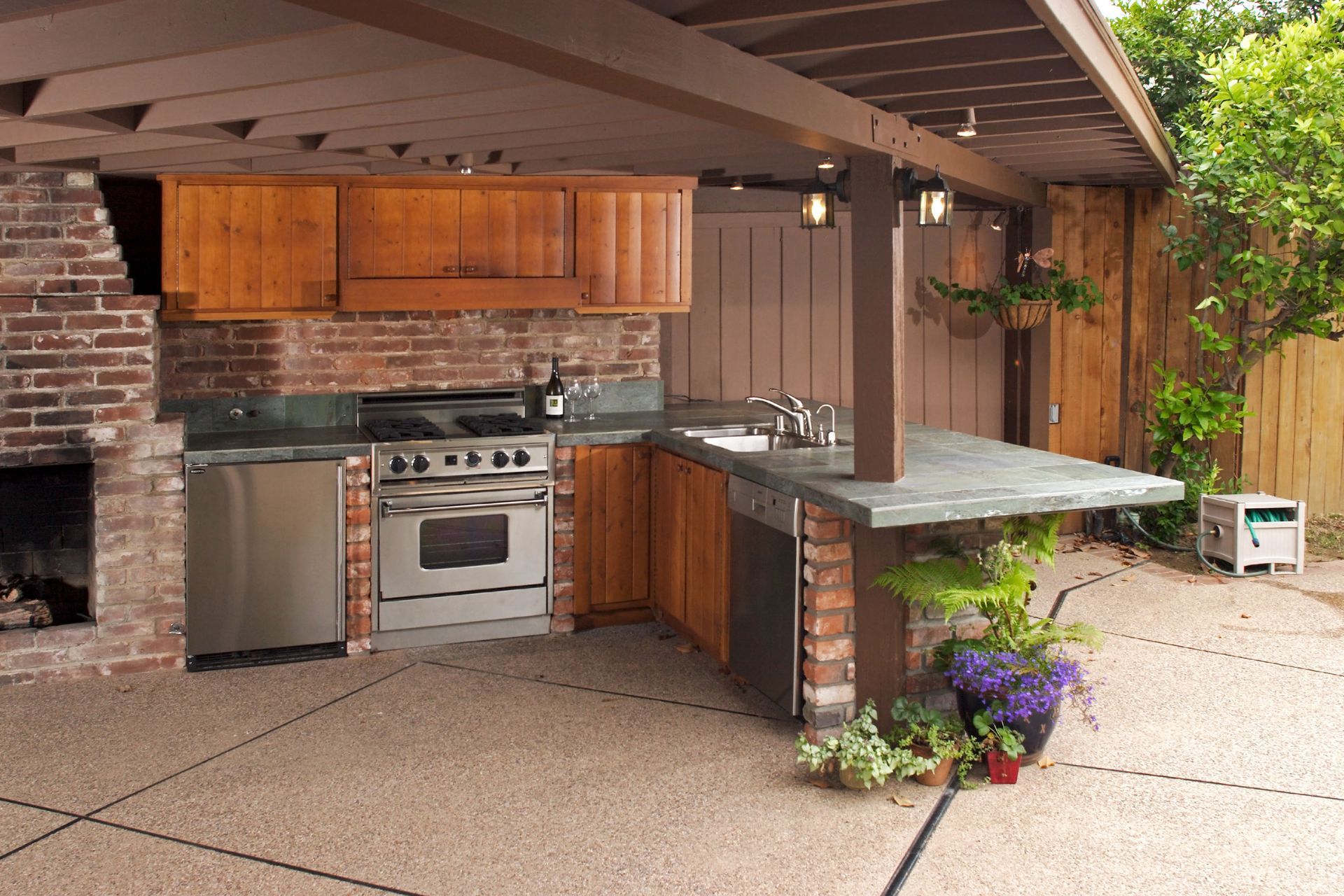
Beyond residential kitchens, natural stone surfaces are widely utilized in commercial settings, outdoor kitchens, and busy entertaining areas. Outdoor installations face additional environmental challenges, including direct sunlight, freezing winter temperatures, and summer heat waves. Indoors or outdoors, a granite countertop performs exceptionally well under heavy daily use because of its mineral density and natural strength. In commercial spaces where durability is paramount, stone surfaces consistently deliver long-lasting performance while maintaining an upscale appearance. Proper installation and routine professional care ensure these high-use surfaces remain striking and functional regardless of how heavily they are utilized.
Recognizing Why Professional Installation Matters for Long-Term Strength
The long-term durability and thermal stability of natural stone surfaces depend heavily on precise, professional installation. Proper leveling, adequate cabinet support, and expert seaming prevent uneven pressure distribution across the slab. Without proper structural support underneath, even a sturdy granite countertop can develop stress cracks when weight or localized warmth is applied to unsupported edges. Expert technicians understand how to measure, handle, and secure heavy stone slabs to eliminate structural vulnerabilities. Entrusting your project to skilled professionals guarantees that your surfaces are installed safely, accurately, and built to withstand the demands of everyday household life.
Natural stone offers unmatched durability, beauty, and resilience against elevated temperatures, making it a fantastic addition to any home. While a granite countertop can easily handle normal kitchen warmth, taking sensible precautions like using trivets and maintaining proper sealing will protect your investment for decades to come. Understanding how your surfaces react to temperature changes empowers you to keep your kitchen looking pristine and performing at its best. For expert guidance, high-quality fabrication, and flawless installation services tailored to your space, call the experienced professionals at Stone Craft LLC to bring your dream kitchen to life.
Share On: